



Struggling to see clearly in the distance, intermediate, AND up close?
Sick of taking glasses off or putting Readers on to see your cell phone, computer, or dashboard?
Refractive Lens Exchange (RLE) can improve your near, intermediate, and distance vision!
RLE: One Surgery, Several Vision Benefits
Presbyopia is a natural change in the lens of the eye that results in the decreased ability, and eventual inability, to focus up close (accommodate).
Everyone develops Presbyopia, generally starting in your 40’s, and it progresses as the eyes age. This is why all individuals, even those who have never needed glasses in the past, start relying on glasses to view a cell phone, tablet, computer, menu, dashboard of a car, etc. Patients who already had nearsightedness (myopia), farsightedness (hyperopia), or astigmatism then require full time wear of glasses or contact lenses for all activities and ranges of vision.
Non-surgical options are bifocals, progressives, multiple pairs of glasses, multifocal contact lenses, or mono vision contact lenses. Medicated eye drops are also available to temporarily reduce one’s dependence on glasses for near and intermediate vision.

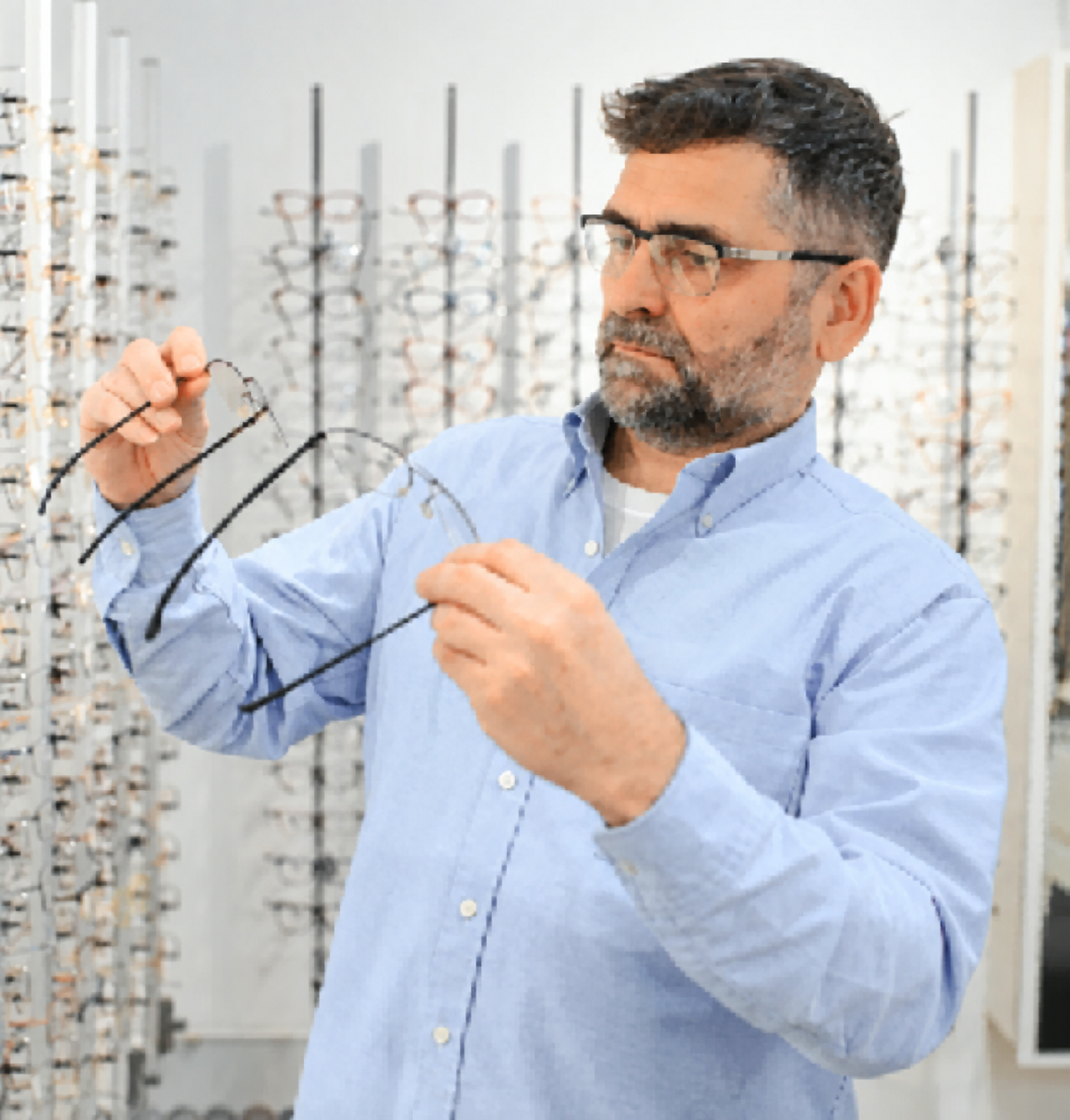
What is the Difference Between RLE and LASIK or PRK?
Refractive surgeries such as LASIK and PRK use advanced technology to reshape the cornea, the front of the eye, resulting in sharp distance vision. LASIK and PRK do not address the changes to the lens of the eye that blur near and intermediate vision and thus do not correct for Presbyopia.
Patients who choose to fully correct their distance vision with LASIK or PRK will still require glasses full time for near and intermediate vision, unless they elect mono vision which corrects one eye for distance and one eye for near.
All patients considering mono vision LASIK or PRK are given contact trials prior to surgery to ensure that they can adapt to the difference in prescriptions and would be happy with mono vision.
Mono vision LASIK or PRK can significantly reduce one’s dependence on glasses for near and intermediate vision but do not stop the progression of Presbyopia and eventual full time need for reading glasses.
What lenses are used for RLE?
Refractive Lens Exchange (RLE), often referred to as Clear Lens Exchange (CLE), is the most effective surgical solution for patients in their 40’s and 50’s to sharpen distance, intermediate, and near vision.
This is achieved by replacing the natural lens of the eye with a multifocal or extended depth of focus lens utilizing cutting-edge laser technology.
At Laser Vision Correction Center of New Jersey Dr. Miller and Dr. Mendelson are proud to offer several advance lens options including the Light Adjustable Lens which is the only lens that can be fine tuned even further after surgery.
A consultation with Dr. Miller or Dr. Mendelson will determine the best lens options for your individual needs.
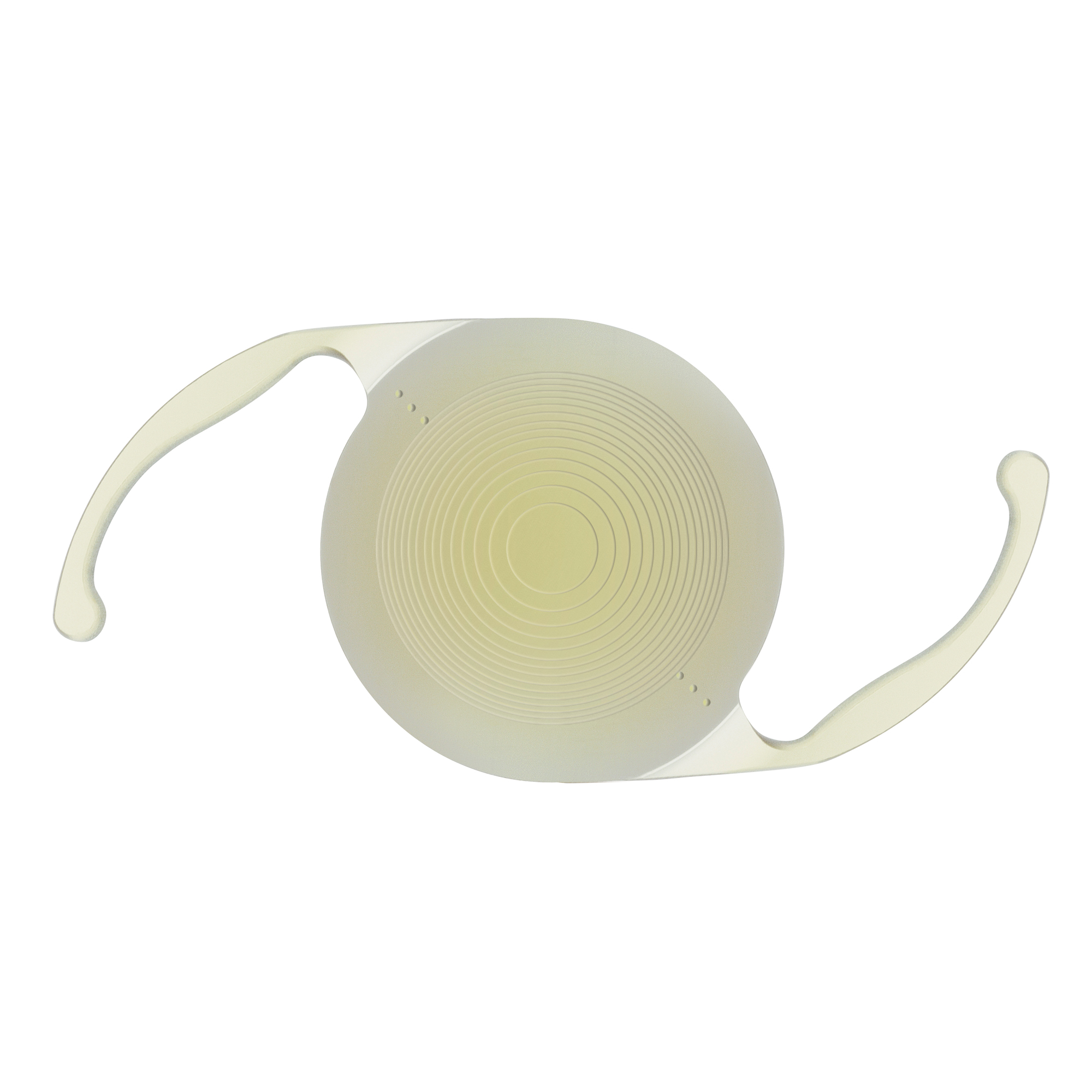


One surgery, a lifetime of improved vision!
Millions of advanced extended depth of focus and multifocal lenses have been implanted in both refractive patients and patients with cataracts every year for decades. The lens is a permanent solution and patients who choose to have Refractive Lens Exchange (RLE) will not need to have cataract surgery performed in the future.
What can I expect from RLE surgery?
Refractive Lens Exchange is an intraocular procedure where the natural lens of the eye is removed through a small incision and an intraocular lens (IOL), tailored specifically to your unique eye measurements, is inserted in its place. Refractive Lens Exchange is a same-day outpatient procedure performed at an ambulatory center.
One eye is performed at a time, with the procedures generally spaced 1-2 weeks apart.
The procedure takes approximately 15-20 minutes but patients should expect to be at the surgery center for a few hours. Medical clearance is required in advance, and patients receive mild sedation from an anesthesiologist prior to the procedure. You will need someone to drive you home from the procedure.
Refractive Lens Exchange offers a quick recovery rate. Most patients can resume daily activities within a day or two of each surgery.
Medicated eye drops need to be instilled throughout the day to ensure proper healing and protective shields are provided to wear at night for 1 week to avoid injury to the eyes.
Additional cautions and limitations after surgery will be explained by your surgeon at your RLE evaluation based on your individual eye health and the lens you choose.